Be Happy Quote Bee Cut File Review
As a designer who spends half my life staring at stitch charts and the other half trying to convince clients that embroidery adds real value, I look at digital assets with a critical eye. We have all seen designs that look perfect on a screen but fall apart when they hit the hoop. That is why I am taking a close look at the Be Happy Quote Bee Cut File. This isn’t just about whether it looks cute; it is about whether it functions as a viable commercial product for your craft business or personal wardrobe.
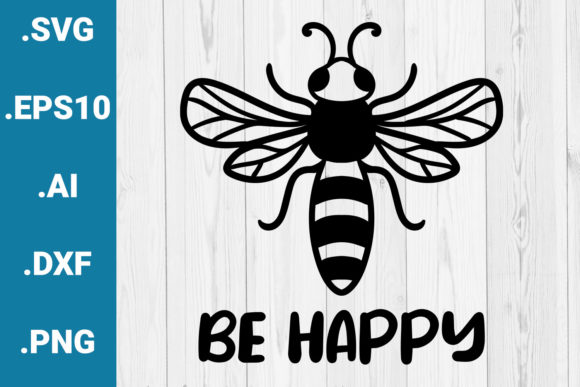
I received this file in a ZIP archive containing .eps10, .ai, .dxf, and .svg formats. While the variety of vector formats suggests versatility for both plotter cutting and potential digitizing workflows, my primary focus here is evaluating its potential as a machine embroidery design. Does this asset hold up under the scrutiny of real-world stitching? Let us dive into the practicalities.
First Impressions: Mood and Visual Personality
The immediate appeal of the Be Happy Quote Bee Cut File lies in its dual-layered messaging. You have the uplifting sentiment paired with the visual iconography of a bee. In the world of handmade goods, symbols carry weight. A bee represents industry, community, and sweetness—traits that resonate deeply with buyers looking for meaningful gifts. The quote itself acts as an emotional anchor, turning a simple decorative element into a statement piece.
Visually, the layout feels balanced. For an embroidery project, balance is everything. If the text and the graphic are too crowded, you risk a cluttered finish that loses detail. If they are too spread out, the design might feel disjointed on smaller garments. From what I can gather from the vector structure, the spacing allows for clear definition between the lettering and the insect motif. This is crucial because it dictates how the human eye reads the finished product. It reads clearly, which is the first step toward customer satisfaction.
Real-World Application: Where This Design Shines
I put this design through a mental stress test across several common product categories. Here is where I see the Be Happy Quote Bee Cut File performing best.
- Tote Bags and Canvas Totes: This is arguably the strongest use case. Canvas provides a stable surface that holds stitches well without puckering. A tote bag with a cheerful bee and positive quote makes for an excellent everyday carry item. It is functional, stylish, and highly giftable. As an Etsy seller, this fits perfectly into the "gift for her" or "teacher appreciation" niches.
- Sweatshirts and Hoodies: Heavier fabrics like French terry or fleece can handle the density required for a design like this. Placing the Be Happy Quote Bee Cut File on the chest or back of a sweatshirt creates a cozy, boutique-level apparel item. The contrast between the thread and the fabric texture will likely enhance the visual depth.
- Baby Items and Nursery Decor: There is a growing market for soft, encouraging themes in baby gear. This design works beautifully on burp cloths, muslin blankets, or nursery wall hangings. The bee theme is gender-neutral and universally appealing, making it a safe bet for registry gifts or new parent presents.
- Kitchen Towels and Aprons: For the home decor segment, this design brings warmth to the kitchen. Embroidered tea towels are a staple in craft fairs. The durability of cotton dish towels means the embroidery will withstand frequent washing, maintaining its integrity longer than delicate fabrics might.
Technical Considerations and Potential Pitfalls
While the concept is strong, execution is where many designers stumble. Even with high-quality vectors, the translation to thread requires careful planning. Here are the areas where you need to be cautious.
Hoop Size and Detail Resolution: If you plan to stitch this small, say under three inches, you must evaluate the stitch density. Small lettering combined with intricate bee wings can become muddy if the stitches are too dense. I always recommend testing the design in your actual hoop size before committing to production. If the details disappear, you may need to simplify the digitization or increase the scale.
Fabric Texture and Stability: Avoid using this design on highly textured fabrics like chunky knits or loose-weave linens unless you are using a heavy-duty stabilizer. The needle penetration can cause distortion, pulling the fabric and warping the quote. Similarly, stretchy fabrics like jersey require a cut-away stabilizer to prevent the design from stretching out over time. Without proper support, your custom apparel could end up looking distorted after a few washes.
Thread Color Contrast: The visual impact relies heavily on color choice. On dark fabrics, light threads (like cream, yellow, or white) will pop, but you may need more passes to achieve full coverage, which increases stitch count and time. On light fabrics, darker threads provide sharp definition. Always mock up your thread colors against your chosen fabric swatch to ensure readability.
Stitch Type Analysis
Depending on how this is digitized, different stitch types will come into play. A satin stitch border around the bee or text can add a polished, professional edge, preventing fraying and adding dimension. However, satin stitches consume more thread and can stiffen the fabric. Fill stitches for the bee’s body should be checked for directionality to ensure the texture flows naturally. Running stitches for fine details like antennae or leaf veins are effective but risky on thin fabrics, as they can pull or break. Ensure your digitizer has accounted for these nuances.
Commercial Viability and Brand Value
For the Etsy seller or small shop owner, this design offers a versatile foundation. It is not overly niche, allowing you to pivot based on trends. During spring and summer, the bee theme aligns with nature-inspired aesthetics. Around holidays, the positive quote adds a sentimental touch suitable for gift-giving occasions.
Using a clean, well-proportioned design like the Be Happy Quote Bee Cut File enhances your brand consistency. Customers associate neat, precise embroidery with quality craftsmanship. When a buyer receives a personalized gift that looks professionally finished, their trust in your shop increases, leading to better reviews and repeat business. Conversely, a poorly executed design can damage your reputation quickly. Therefore, investing time in proper setup—choosing the right stabilizer, testing tension, and inspecting for loose threads—is non-negotiable.
Practical Designer Notes Before You Stitch
Before you rush to produce inventory, follow these steps to ensure success:
- Test on Scrap Fabric: Never run a new design directly onto your final product. Use scrap pieces of the same fabric type to check for puckering, thread breaks, or alignment issues.
- Check Licensing: Since this is a digital asset, verify the license terms. Ensure you have the right to sell physical items made from this design. Commercial rights vary by creator, and assuming permission can lead to legal complications.
- Review Stitch Density: Look closely at the digitized file. Areas with excessive density can cause needle breakage or fabric damage. If possible, adjust the settings in your embroidery software to optimize thread usage.
- Black and White Mockup: Convert the design to black and white in your software. This helps you assess the balance and spacing without the distraction of color. If the composition works in monochrome, it will work in color.
- Inspect Small Details: Zoom in on tiny elements like the eyes of the bee or the serifs on the letters. These are the first things customers notice. Blurry or jagged edges here signal low quality.
In conclusion, the Be Happy Quote Bee Cut File is a solid candidate for a wide range of embroidery projects. Its positive message and charming imagery make it highly marketable. By paying attention to technical details like fabric choice, stabilizer use, and stitch quality, you can transform this digital file into a tangible product that delights customers and supports your creative business goals. Just remember: the design is only as good as the execution.