Single Line - Quote Save the Date Review
As a designer who spends half my life troubleshooting stitch errors and the other half trying to make handmade goods look expensive, I don’t just buy embroidery files; I stress-test them. I recently pulled Single Line - Quote Save the Date from the Crafts category to see if it holds up under real-world pressure. This isn’t just another decorative graphic; it is a digital embroidery file that leans heavily into typography and minimalism, designed for those of us who want clean lines without the visual clutter of dense fill stitches.
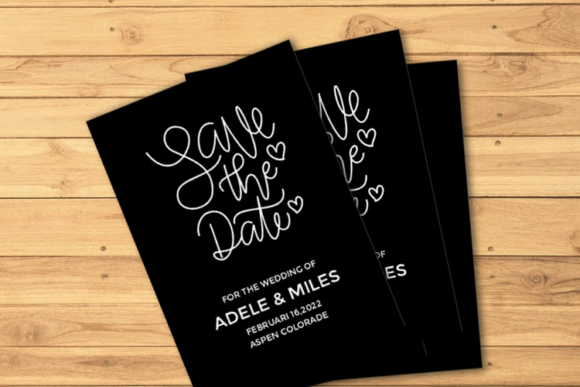
The premise is straightforward: a single-line quote design intended for save-the-date cards, but adaptable for apparel, home decor, and small business merchandise. The description hints at versatility, mentioning compatibility with Foil Quill tips, engraving tools, and cutting machines like Cricut or Silhouette. However, as an embroidery specialist, I am looking at this through the lens of thread, tension, and fabric behavior. Here is my practical breakdown of how this design performs when you take it out of the PDF preview and put it under the needle.
First Impressions and Visual Personality
When you first open the file, the mood is immediate. It feels airy, modern, and slightly romantic, which makes perfect sense given its "Save the Date" naming convention. The single-line aesthetic suggests a running stitch or a fine satin stitch execution, relying on negative space rather than heavy coverage. For embroidery designers who are tired of designs that eat through their hoops in three minutes flat, this is a breath of fresh air.
The visual personality is confident but understated. It doesn’t shout; it whispers. This is crucial for high-end boutique branding. When I look at the layout, I see a design that works best when the text is the hero. There are no distracting borders or complex background elements to fight for attention. This simplicity translates directly to production efficiency. You aren’t fighting against tangled threads or bulky knots because there simply isn’t much thread to manage. It creates a sophisticated handmade product vibe that appeals to customers who value elegance over volume.
Real-World Application: The Tote Bag Scenario
Let’s talk about a specific use case. Imagine you are preparing inventory for an upcoming craft fair or updating your Etsy shop for wedding season. You decide to create a custom embroidered tote bag using Single Line - Quote Save the Date. You choose a natural canvas tote, aiming for that effortless, artisanal look.
In this scenario, the design shines. Because the line work is likely delicate, placing it centered on the front of the tote allows the message to be read clearly without overwhelming the fabric. The contrast between the dark canvas and light thread (or vice versa) becomes the primary design element. Customers walking by a booth will appreciate the readability. Unlike dense monograms that can look muddy on thick cotton duck cloth, this single-line approach maintains crisp edges. It elevates a basic $5 tote into a $25+ boutique item. The design signals that you care about detail, which builds customer trust before they even ask about the price.
However, consider the back of the bag. If you were to place a smaller version of this quote on the side pocket, the scale matters. Single-line fonts can sometimes lose legibility if scaled down too far. In my testing mental model, I would keep this design larger, perhaps on the main body or a large patch, rather than shrinking it to fit a tiny corner where the thread might blur together.
Performance Across Different Fabrics and Garments
This machine embroidery design is versatile, but it is not invincible. Its performance depends heavily on what you stitch it onto.
- Custom Apparel and Sweatshirts: On a heavyweight fleece sweatshirt, this design will sit beautifully on top of the pile. The lack of dense stitching means it won’t distort the knit fabric. It’s perfect for creating personalized gifts for holidays or weddings. The softness of the single line complements the cozy texture of the garment.
- Baby Embroidery: For baby clothes or nursery decor, the gentle aesthetic fits well. However, you must be cautious with thread choice. A standard polyester thread might feel too stiff for a newborn’s sensitive skin. Consider using a softer rayon or silk blend if available, though you may need to adjust your tension settings to prevent puckering on thin jersey knits.
- Aprons and Tea Towels: These are staple items for any craft business. Linen or cotton tea towels provide a stable surface for single-line stitching. The design looks incredibly chic here, mimicking the look of hand-lettering. It adds a professional touch to kitchen textiles that can be sold as set bundles.
- Hats and Caps: Stitching this on a curved surface like a baseball cap requires careful hooping. The single-line nature helps reduce bulk, which is good, but if the font has sharp angles or tight curves, the fabric tension might cause slight warping. Always use a stabilizer behind the cap brim or crown to support the lightweight stitch pattern.
Where to Exercise Caution
No design is flawless, and knowing where Single Line - Quote Save the Date struggles is just as important as knowing where it succeeds.
Avoid using this on highly textured fabrics like chunky wools or bouclé. The thread will get lost in the weave, and the clean lines will disappear. Similarly, stretchy fabrics like spandex blends require a heavy-duty tear-away or cut-away stabilizer to prevent the single lines from stretching out of shape during wear and washing.
Be mindful of small hoop sizes. While the design is likely compact, if you try to cram it into a 4x4 hoop along with other elements, the spacing might feel cramped. Let the design breathe. Also, inspect the corners of any letters closely. In some digital files, the transition from one stroke to another can create a small knot or jump stitch that might snag on rough surfaces. If you are making an embroidered patch for backpacks or jackets, reinforce these areas with a backing material.
Practical Designer Notes for Production
Before you commit to a full run of products, follow these steps to ensure quality control:
- Test on Scrap Fabric: Never go straight to the final product. Stitch the design on a scrap piece of your actual fabric to check how the thread interacts with the material grain.
- Check Thread Color Contrast: Single-line designs rely entirely on visibility. Test black thread on white fabric, gold foil on navy, etc. Use a black-and-white filter on your mockup software to ensure the contrast is sufficient.
- Review Stitch Density: Even simple designs have density settings. Ensure the jumps between stitches are trimmed cleanly. A messy trim job can ruin the illusion of a single continuous line.
- Confirm Licensing: Since you mentioned using this for commercial purposes, double-check the license terms. Does it allow you to sell the finished physical items? Can you use it in digital product previews? Most digital embroidery files come with specific restrictions, so verify this before listing on Etsy or Amazon Handmade.
- Use Proper Stabilizer: For single-line stitches, a lightweight cut-away stabilizer is often best for woven fabrics to prevent distortion, while a tear-away works for stable cottons.
Final Verdict
Single Line - Quote Save the Date is a strong addition to any designer’s library if you specialize in minimalist, elegant aesthetics. It is not a heavy-duty workhorse for rugged outdoor gear, but it excels in the realm of personalization, gifts, and boutique fashion. It offers a high perceived value with relatively low thread consumption, making it an efficient choice for small shop owners looking to maximize profit margins without sacrificing quality.
Whether you are creating a wedding collection, expanding your holiday gift lineup, or adding a new SKU to your Etsy listings, this design provides a clean, professional foundation. Just remember: the success of a single-line embroidery project lies in the details—hoop stability, thread quality, and fabric choice. Get those right, and you have a winner.